

Signs Of Oral Cancer That Dentists Check For
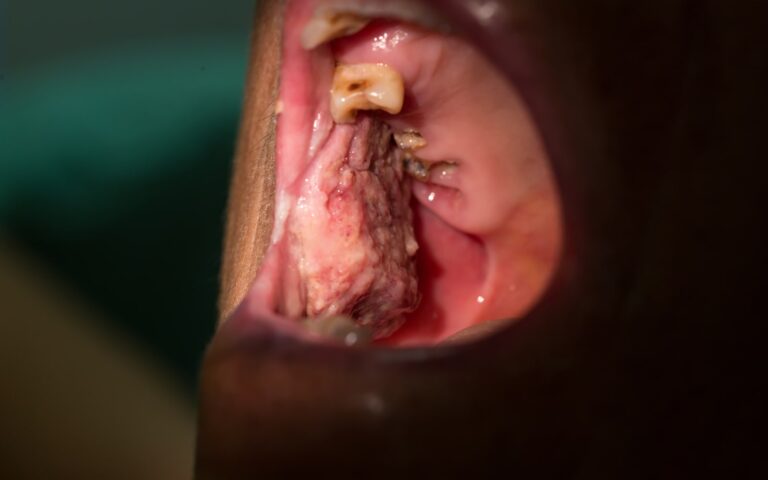
There are a host of oral health concerns that your dentist checks for during every standard check-up. While we’re all aware of tooth decay, gum disease, and similar concerns, oral cancer often goes unconsidered. Our dentists, however, are always on the lookout for this concern. Successfully battling oral cancer requires that it be caught early. In its earliest stages, it’s often easy to overcome. Later, however, it can be very difficult to survive. This is why oral cancer is checked for at every dental visit.
Signs Of Oral Cancer That Dentists Check For
There are numerous tools that your dentist will bring into play if they suspect that oral cancer is present. They often will include other specialists in the diagnostic process to be confident of their results. Oral cancer often appears in the form of discoloration and polyps forming in the mucous membranes in the mouth. There is a range of tests that your dentist might perform or order, including:
- Oral Brush Biopsies – Your dentist will use a special tool to take a small tissue sample from the affected area. This tissue is subsequently sent out to a medical lab for analysis.
- Endoscopies – This tool is often used to identify when tumors are present. This procedure uses small flexible tubes with a camera lens on end. These tubes check the mouth and throat for signs of lesions, polyps, or tumors. The camera lens aids in this process.
- Barium Swallowing Tests – Barium is a substance that responds to x-rays, allowing them to be viewed on the resulting film. When oral cancer is suspected, the patient may be asked to swallow small amounts of a barium solution. As they swallow, Your provider will take an x-ray to see if blockages can be seen. These blockages may indicate the presence of oral cancer.
- HPV Testing – Human Papillomavirus is known to be responsible for a range of cancers. Testing for HPV can eliminate certain forms of cancer during the diagnostic process.
During the diagnostic process, the dentist may order other types of testing. These can include MRI scans, CAT scans, and x-rays. These tests can reveal vital information that can help identify the next steps in the treatment process. These details include how aggressive the cancer is, how far its spread, and where it’s located. Once this information is known, your provider can utilize it during the creation of a treatment plan for oral cancer.
Exploring The Different Forms of Oral Cancer
Numerous forms of cancer can develop within the oral cavity. Lymphoma is one such example, forming within the oral lymph nodes. Mucosal melanoma forms within the numerous mucous membranes within the oral cavity. It occurs more frequently than the other varieties. Another form of oral cancer is a sarcoma. This form of cancer impacts the nerves, blood vessels, fibrous tissues, and fat within the various oral tissues. Any of these conditions caught early enough can be successfully treated. This is another pressing reason to ensure you keep up with regular dental visits. This means seeing your dentist at least once every six months.
