

Are Dental X-Rays Safe For Me And My Child?
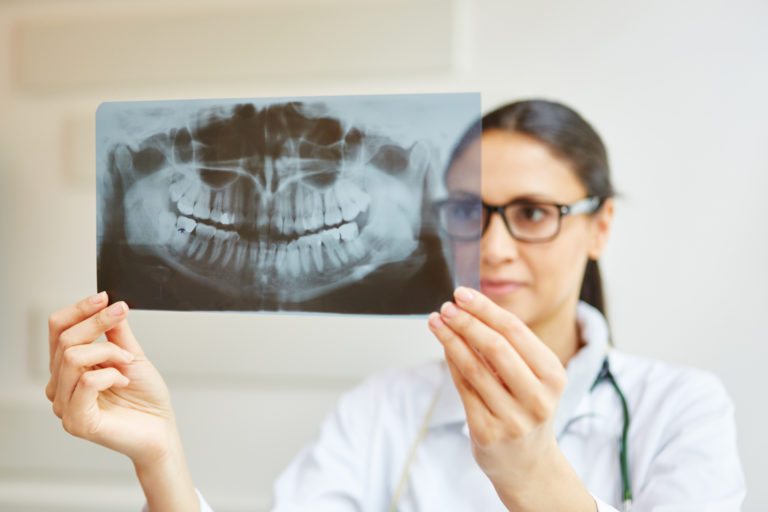
Dental X-Rays are a normal part of any routine dental exam, and while the level of radiation they expose us to is less than what we experience sitting in front of our computers all day or walking to our car in the bright sunlight, some patients still express concern. Every year tech advancements continue to reduce the amount of radiation patients are exposed to during their x-rays meaning the benefits, which already far outweighed the risk of traditional x-rays, are even greater when weighed in the balance.
Dental Imaging Tech Continues To Advancement
As we mentioned above, the amount of radiation that patients are exposed to during a traditional x-ray session is already minimal, but the creation of digital imaging x-rays have reduced this amount to an almost immeasurably small amount. Digital x-ray technology has made it possible to get finer detail in x-rays using even less radiation while adding the ability to rotate and zoom in on the resultant images. All of this comes together to give your dentist an unparalleled view of the structure of your jaw, gums, and teeth.
Who Can Benefit From Dental X-Rays?
As a standard part of a full dental exam, everyone can benefit from the use of x-rays as part of their appointment. The images provide your dentist with views of your bones and teeth that simply aren’t possible through a simple visual exam. Some of the concerns that x-rays can reveal are:
- Tooth And Bone Decay – Some forms of decay take place away from the naked eye, beneath the gun line and between or even inside teeth. X-rays reveal these.
- Bone Loss – Bone loss can occur in advanced cases of gum disease, and will be revealed by x-rays.
- Abscesses – These pockets of infection typically appear in the space between the tooth and gum, or at the root of the teeth.
- Tumors – Tumors are often invisible to the naked eye, buried within the bone or gum tissue.
- Infected Or Damaged Root Canals – Being inside the teeth, root canal damage often goes unseen in a visual exam.
Without x-rays, all of these conditions, and more can go unidentified and will advance unchecked. These can have life-altering effects and lead to extensive irreversible damage to both bone and teeth. As an important part of your dental exam, x-rays are safe and necessary.
Are Children At Greater Risk From X-Rays?
Due to the developing nature of children’s bodies, they are more susceptible to some of the risks associated with x-rays. The levels of radiation they’re exposed to are minimal, and they remain an important part of their regular exams. The constantly changing nature of children’s mouths through their developmental phases make x-rays even more important, as they can identify:
- Space Issues – Developing teeth can sometimes cause problems when there isn’t enough space for them in your child’s mouth. X-rays can reveal these concerns and allow treatments to be suggested and planned to handle these cases.
- Wisdom Teeth – Monitoring the development of wisdom teeth is important to determine when and if they need to be removed, a common procedure in modern dental patients.
- Developmental Observation – As adult teeth arrive, x-rays ensure the baby teeth are properly loosening to make room.
- Gingivitis and Periodontal Disease – Children often miss important steps in dental care, and x-rays can reveal hidden decay caused by improper tooth care.
Given the number of dental conditions that can arise in a developing body, x-rays are necessary to identify and plan for the treatment of dental problems.
I’m Pregnant, Are X-Rays Safe For Me?
X-rays are, as a rule, avoided during pregnancy to ensure a minimal impact on the developing child. In cases where there are existing dental issues, x-rays may still be called for as a greater risk exists to the pregnancy with untreated dental concerns. Speak with your dentist if you’re concerned about receiving x-rays during your pregnancy.